Buying an investment property can make sense financially, but qualifying becomes more complicated when the…
Purchase Loans for Move-Up Buyers: What You Need to Know Before Your Next Home
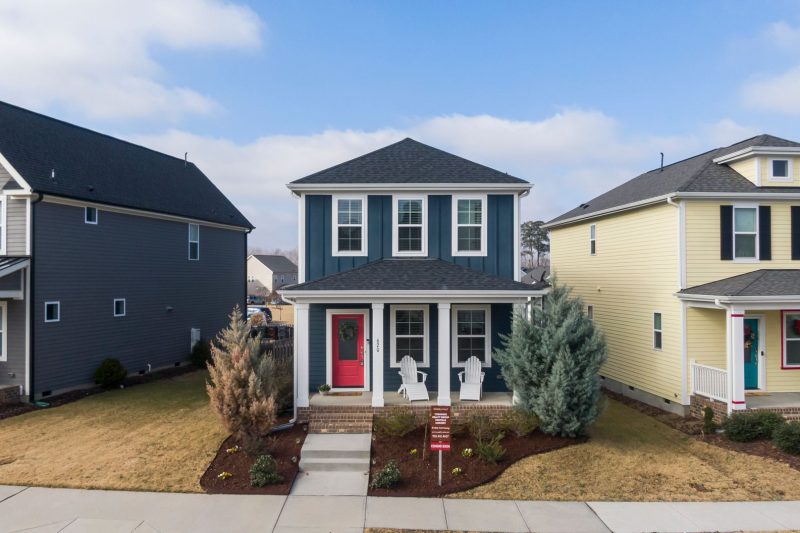
Moving up to your next home in Sacramento can feel like a big leap, especially when you’re juggling the sale of your current home with finding the right financing for your next purchase. A purchase loan for move-up buyers is a mortgage specifically structured for clients who already own a home and are looking to buy a new primary residence, often with a more strategic approach to down payment, qualifying, and timeframe. In this article, we’ll break down what actually matters when financing your next home, the options you have, and how working with an experienced lender can make a real difference.
Key Takeaways
- Purpose: Move-up purchase loans are designed for current homeowners buying a new primary residence, often to accommodate changing space or location needs.
- Qualification: You’ll need to document income, assets, and your current home’s status (retained or sold); underwriting guidelines may be more involved than with first-time purchases.
- Down Payment: Options vary—proceeds from your home sale, bridge financing, or using reserves; minimums depend on the loan program.
- Timeline: Coordination with contingent sales and quick execution matter in competitive areas like Sacramento and Roseville.
- Best For: Homeowners with existing equity who want to upsize, relocate, or access new features in their next property.
Quick Answers: Move-Up Buyer Mortgage Basics
- Can I use equity from my current home for the new purchase? Yes, you can often use proceeds from your home’s sale as the down payment, or sometimes use a bridge loan or HELOC.
- Do I have to sell my current home before closing on the new one? Not always—options include making an offer contingent on selling your home, qualifying with both mortgages, or using temporary financing.
- Are rates higher for move-up buyers? Not necessarily—a lot comes down to your loan type, credit, and overall structure.
- Will my debt-to-income ratio be affected by my current mortgage? Typically yes, unless you have a strong documented plan for sale or rental of your existing home; your lender will review both payments unless your home is sold before closing.
How Move-Up Purchase Loans Work
At Green Haven Capital Inc. (NMLS# 173062), we see a lot of move-up buyers in areas like Elk Grove, Folsom, and Roseville who want to take advantage of equity they’ve built in their current home, but aren’t always sure how best to structure their next loan. Most people don’t realize this, but moving up is rarely a cut-and-paste repeat of your first purchase. The two biggest challenges are typically around timing—lining up the sale of your current home to fund the purchase of the new one—and qualifying for a new loan with two properties in the mix.
A purchase loan for a move-up buyer is simply a mortgage designed to finance a new primary residence when you already own a home. How you qualify, structure your down payment, and navigate contingencies are what set this apart from a first-time buyer scenario.
Option 1: Sell First, Then Buy
The most straightforward route is to sell your existing home, then use your net proceeds as the down payment for the next property. When your sale closes before your purchase (or at the same time), it simplifies the approval process—your old mortgage is gone, your funds are available, and you’re only qualifying for the new payment. This approach reduces risk and is often easier for qualifying, but it does mean you’ll usually need temporary housing or a “rent-back” if there’s a gap between escrows.
Option 2: Buy First, Then Sell
Some buyers want or need to secure their next home before officially selling their current one—say, to avoid moving twice or missing out on a well-priced home in Sacramento’s competitive market. In this scenario, you’ll need to qualify carrying both mortgages, unless you have enough down payment from savings or other sources. We’ll walk you through your options so you can make the right decision for your timeline and comfort level. Sometimes this means structuring your offer as contingent on selling your home, or using short-term financing like a bridge loan or a HELOC to cover the down payment.
Here’s what actually matters: the strategy behind the loan matters just as much as the rate. If this isn’t set up correctly on the front end, you could run into problems with loan approval or end up paying more than you need to.
Option 3: Retain Your Current Home
Some move-up buyers want to turn their existing home into a rental property. If you go this route, lenders usually want to see documented rental income (via lease and sometimes deposits) to count that income toward offsetting the old mortgage payment. Underwriting gets a little more detailed in these cases, and program guidelines will vary by loan type. This is where working with the right lender makes a substantial difference—our experience structuring investment loans for Sacramentans and beyond means we can outline what’s possible and what’s not, upfront.
Choosing the Right Loan for Your Next Home
Conventional Loans
For many move-up clients in Northern California, a conventional fixed-rate mortgage is often the best fit. These loans have flexible qualifying, competitive rates, and work well whether you’re selling your existing home or retaining it as an investment. Conforming loan limits vary by county, so the right setup will depend on your price range and location—El Dorado Hills, for example, may have different limits than central Sacramento.
Jumbo Loans
If your next home’s price exceeds conventional loan limits, you’ll look at a jumbo loan. These have stricter qualifying in terms of credit, reserves, and sometimes require a larger down payment. A lot of buyers overlook this during their home search, but being realistic about what you might qualify for with two properties is important early on. The strategy behind the loan is key; sometimes, combining funds from your sale with reserve requirements can open up jumbo options you did not know were feasible.
Bridge Loans and HELOCs
Bridge loans or home equity lines of credit (HELOCs) can help you unlock equity in your current home to use as the down payment before it’s officially sold. Not every scenario fits, but when structured correctly, these tools can provide more flexibility—just watch for timing, costs, and repayment expectations. We’ll walk through the options so you can see what actually makes sense based on your equity position and market dynamics.
Down Payment Assistance for Move-Up Buyers
Most down payment assistance programs in California are geared toward first-time buyers, but there are occasional programs with broader qualifying. If you’re moving up but haven’t owned a home in several years, or meet specific criteria, we can identify what DPA options may be available locally. You can learn more on our down payment assistance loans page.
Coordinating Your Sale and Purchase
The logistics of buying and selling at the same time are a big part of what we help manage for Sacramento-area move-up clients. This often means working closely with your real estate agent to time sale contingencies, occupancy dates, and funding. The right setup upfront can save you a lot long-term—from rate locks and appraisal timelines to minimizing unnecessary moves or rental periods.
Speed and execution matter in this market; well-priced homes don’t sit long in areas like Folsom, Roseville, and Granite Bay. Making a strong, well-structured offer—backed by a lender who can articulate your strengths to listing agents—can put you ahead of other buyers, especially when you have a home to sell.
Loan Program Requirements: What to Expect
Whether you opt for a conventional, jumbo, or other product, move-up purchase loans all share a few key requirements:
- Income documentation: Pay stubs, W-2s, or tax returns for self-employed buyers
- Assets: Verified funds for down payment, closing costs, and any reserves required
- Property documentation: Contract and listing info for both properties if selling and buying simultaneously
- Appraisal and inspection: Standard process, but timing may be more compressed in back-to-back buy-sell scenarios
Keep in mind, lenders typically want clear evidence of how your current home is being handled—whether that’s a sale, rental, or retention as an investment property. Guidelines may allow counting anticipated rental income, but documentation will be key.
Structuring Offers: Sale Contingencies and Qualifying with Two Mortgages
There’s usually more than one way to approach this. You can:
- Submit a contingent offer—purchase hinges on selling your current home first (safer but potentially less competitive in hot markets)
- Buy non-contingent—qualify carrying both mortgages to strengthen your offer (requires higher income/reserves and careful planning)
- Use bridge or equity financing—tap into your current home’s value for the next down payment, then pay off after sale closes
What most people don’t realize is, the way your offers are structured can not only affect your approval odds, but also your negotiating position and peace of mind. We structure loans based on your goals, not just the transaction—whether that’s minimizing stress, maximizing flexibility, or optimizing for long-term costs.
Let’s Step Back: The Full Picture
If you take one thing away from this: it’s not just about the rate—it’s how everything is structured to fit your bigger picture. After years in the business, we started Green Haven Capital because we saw too many buyers settle for loans that “worked on paper,” yet cost them more or limited their options down the line. We’re not just looking at the loan—we’re looking at your overall plan, both for today and your next chapter as a homeowner in Sacramento or beyond.
Ready to Review Your Move-Up Loan Options?
If you’re considering moving up in Sacramento or the surrounding counties, let’s put a real strategy in place. Call, text, or email us to break down your scenario, compare options, and see what makes the most sense for your goals—whether you’re selling first or buying non-contingent. We’ll help you prepare for pre-approval and make sure you’re setting yourself up for a smooth transition to your next home.
Frequently Asked Questions
Can I qualify for a jumbo loan as a move-up buyer if I haven’t sold my current home yet?
It’s possible, but you’ll need to meet stricter debt-to-income and reserve requirements. Lenders will factor in your current mortgage payment unless your home sale is already under contract with planned closing before or simultaneous with your new purchase.
How does using a bridge loan affect my qualification or timeline?
A bridge loan allows you to access equity from your current home before selling, but it’s considered additional debt for qualification purposes. Make sure it’s structured with clear repayment plans and coordinate closely with your lender to avoid delays or funding issues at closing.
Are move-up buyers eligible for FHA or VA financing?
Yes, move-up buyers can often use FHA or VA loans if the new property will be their primary residence and they meet program guidelines. VA entitlement and FHA occupancy restrictions apply, and you may need to sell or refinance your current property if it’s financed with those programs.
Can rental income from my existing home help me qualify for my new purchase?
It can, provided you have a signed lease and sometimes proof of security deposit. Lenders may require documentation that the home is being rented at fair market value and may only count a percentage of the projected rental income for qualification.
What happens if my home doesn’t sell in time for my new home’s closing?
This depends on how your offer and loan were structured. If your purchase is contingent on your sale, you may have the right to cancel. If you’re buying non-contingent, you’ll need to qualify carrying both payments until your existing home sells—so planning and a strong backup strategy are essential.

About the Author
Kevin Oto
Mortgage Broker/ President at Green Haven Capital Inc. · NMLS #62641
With over 20 years of experience, Kevin has established himself as one of Northern California’s most trusted mortgage advisors — helping homebuyers, homeowners, and real estate investors secure financing with clarity, confidence, and competitive pricing in any market.
Specializes in: Conventional loans, Purchase loans, Investment property financing
Licensed in: CA, CO, MD, OR, TN, TX, UT
Related Posts