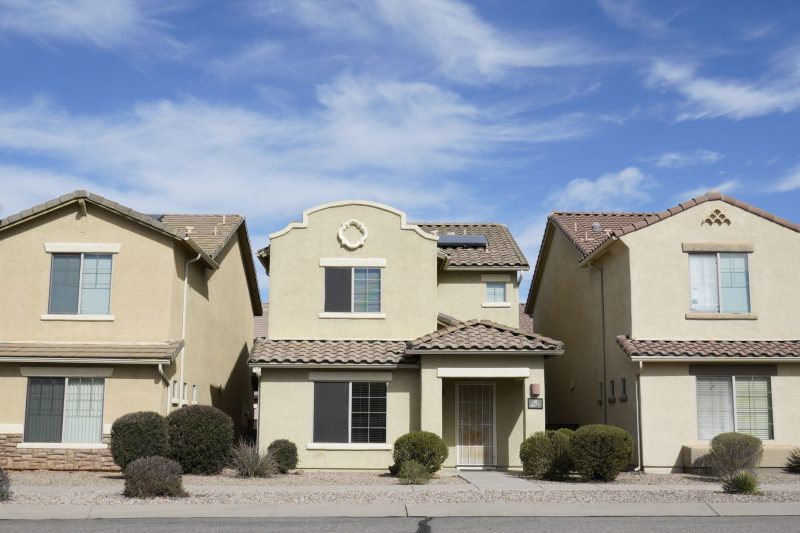
Buying your first home in Sacramento or anywhere in Northern California can feel like a…
FHA vs. Conventional Loans: How to Choose What Actually Makes Sense for Your Home Purchase

Buying a home in Sacramento or anywhere in Northern California can feel like a maze of decisions—comparing homes, negotiating offers, and, of course, sorting out the right financing. FHA loans are government-backed mortgages with flexible requirements, while conventional loans are private mortgages that typically offer more flexibility based on credit and down payment. In this guide, we’ll break down the real differences, what actually matters when weighing FHA vs. conventional, and how to choose the loan structure that fits your situation.
Key Takeaways
- Purpose: FHA and conventional loans are the two main paths for home financing, each designed for different types of borrowers and property scenarios.
- Requirements: FHA loans allow lower credit scores and smaller down payments; conventional loans usually require stronger credit and, for lower down payments, solid qualifying income and assets.
- Down Payment: FHA typically starts at 3.5%; conventional can go as low as 3% for eligible buyers, but requirements vary with credit, loan size, and occupancy.
- Best For: First-time buyers, move-up buyers, and real estate investors considering Sacramento County and the wider Northern California market.
Quick Answers: FHA vs. Conventional Loans
- What’s the main difference? FHA is government-backed and may be more accessible with lower credit scores or limited down payment. Conventional relies on private lenders and rewards stronger credit history.
- Who can qualify for each? FHA is open to most buyers who can verify income and meet loan limits. Conventional typically calls for higher credit and lower existing debts.
- How do mortgage insurance costs differ? FHA has upfront and monthly mortgage insurance, regardless of down payment. Conventional may waive PMI with a large enough down payment, and PMI can be removed over time.
- Can you use either for investment properties? Conventional allows for investment properties; FHA is only for primary residences.
- When is each loan type better? It depends on your credit, assets, goals, and property type. The strategy behind the loan matters just as much as the rate.
Understanding FHA and Conventional Loans—The Basics
At Green Haven Capital Inc. (NMLS# 173062), we walk buyers through this decision almost every week, especially as more folks enter the Sacramento market or consider moving up. Here’s what actually matters when you’re comparing the two:
FHA loans are insured by the Federal Housing Administration. They’re designed to open up homeownership to people who might not meet the usual credit or down payment requirements. FHA loans allow for a smaller down payment and accept credit scores a little lower than most conventional guidelines. There’s an upfront mortgage insurance premium (rolled into the loan), plus monthly insurance that usually sticks around for the life of the loan unless you put a sizable chunk down.
Conventional loans are not government-backed. They use standards set by Fannie Mae and Freddie Mac, and the final terms depend on your credit, debt, assets, the property, and how much you put down. With a big enough down payment (often 20% or more), you can skip private mortgage insurance. At lower down payments, you’ll pay PMI, but unlike FHA, it can be removed later.
Key Differences You Actually Need to Know
A lot of buyers overlook this, but it’s not just about what you qualify for—it’s how the loan is structured and what it actually costs over time. Let’s take a step back and look at the full picture:
| Feature | FHA Loan | Conventional Loan |
|---|---|---|
| Backing | Government-insured | Private lenders, Fannie Mae/Freddie Mac |
| Minimum Down Payment | 3.5% for most buyers | As low as 3% for eligible buyers |
| Credit Score Requirement | Generally more flexible | Typically higher |
| Mortgage Insurance | Upfront + monthly (often required for life of loan) | PMI if <20% down; can be removed |
| Primary Residence | Required | Allowed but also permits second home and investment use |
Down Payment and Credit—What Usually Matters Most
We see a lot of buyers fixate on minimum down payment, but what most people don’t realize is how that interacts with your credit and total debt. Both FHA and conventional loans have low down payment options, but the real difference is what you qualify for and what the monthly payment looks like (including insurance and taxes).
– FHA: Generally more lenient if your credit has a few dings or you’re bringing a smaller down payment.
– Conventional: Favors stronger credit. If your scores are good and you can put at least 5–10% down, conventional is often the smarter route, especially for long-term savings.
We structure loans based on your goals, not just the transaction. Sometimes the slightly higher upfront FHA costs are worth it to get in the door, especially if you plan to refinance or move up later. Other times, putting a little extra down or tackling an old debt opens up a better conventional scenario.
Loan Limits and Property Types—Why This Matters in Sacramento and Beyond
Sacramento County, Placer County, and neighboring areas all have their own conforming loan limits, and these change every year. FHA has its maximums (often lower than conventional), so if you’re looking at homes above the local median, this will affect your options.
– FHA loans can’t be used for investment properties and only allow for primary residence purchases. That rules out most duplex/triplex setups if you’re not living there.
– Conventional loans are far more flexible—you can use them for a second home, an investment property, or a standard single-family purchase.
This is where working with the right lender makes a difference. In Sacramento’s fast-moving market (especially in places like Elk Grove or Roseville), the right structure early on ensures you’re set up for success—not juggling last-minute surprises at the finish line.
Mortgage Insurance: FHA’s Lifetime vs. Conventional’s Flexibility
Here’s what I’d focus on: with FHA, you’ll almost always have mortgage insurance for the life of the loan unless you make a much larger down payment. That means the cost sticks around even as you pay the loan balance down.
With conventional loans, PMI drops off automatically at a certain equity threshold, or you can request removal once you hit that point. Over time, that can mean significant monthly savings if you’re planning to keep the home for a while. The right setup upfront can save you a lot long-term.
Other Things You Might Overlook
– Appraisals: FHA appraisals follow stricter property standards, sometimes requiring repairs or fixes before closing.
– Student loans and debts: FHA sometimes applies higher ratios to deferred loans or special payments, which can tighten the qualifying window.
– Seller credits and assistance: FHA often allows higher amounts for closing cost help—useful if you’re tight on cash.
There’s usually more than one way to approach this depending on your scenario. We’ll walk you through your options so you can make the right decision, rather than just defaulting to what’s most common.
How We Help You Decide—and Why Structure Matters
Since launching Green Haven Capital, our goal has always been to help clients see beyond “just getting the loan.” The strategy behind the loan matters just as much as the rate. In this market, speed and execution matter, but so does making sure your loan fits your overall plan—not just for today, but for years down the road.
We look at both conventional and FHA options for each client, run the numbers for current market rates, and dig into the actual difference in payment, insurance, upfront costs, and future flexibility. Whether you’re a first-time buyer in Midtown Sacramento, moving up in Folsom, or exploring real estate investing in Rocklin or Davis, we’ll walk through the options so you can see what actually makes sense.
Ready to Compare Your FHA and Conventional Options?
If you’re eyeing a home in Sacramento, Placer County, or anywhere across Northern California, working with an experienced mortgage broker makes a real difference. Call, text, or email us any time to walk through your scenario, compare both loan types, and see what fits—not just the monthly payment, but your total financial picture. If you haven’t started, pre-approval planning is a smart first step.
Frequently Asked Questions
Can I get an FHA or conventional loan with a low down payment?
Yes, both FHA and many conventional loan programs allow for a low down payment—often as low as 3% for eligible buyers with conventional, and 3.5% for FHA. Qualification will depend on your credit, income, and the property itself.
Is mortgage insurance required for both types of loans?
Yes. FHA loans always require mortgage insurance (MIP), both upfront and monthly. Conventional loans require private mortgage insurance (PMI) if your down payment is less than 20%, but that PMI can be removed over time as you build equity.
Which loan is better for first-time buyers?
It depends on your credit, savings, and goals. FHA tends to work well for buyers with limited credit or smaller down payments, while conventional is usually best if you meet the credit guidelines and want more flexibility in the future. We’ll walk through your scenario to help you see both sides.
Can I use FHA or conventional loans for multi-unit or investment properties?
FHA loans are strictly for primary residences, but you can use them for 2-4 unit properties if you live in one of the units. Conventional loans offer far more flexibility and are available for second homes and investment properties, depending on your qualifications and down payment.
How do closing costs compare between FHA and conventional loans?
Closing costs for both types can be similar, but FHA loans include an upfront mortgage insurance premium, which can increase the total amount financed. Seller credits and down payment assistance programs can help cover some or all closing costs with either loan type, depending on the structure and guidelines.

About the Author
Kevin Oto
Mortgage Broker/ President at Green Haven Capital Inc. · NMLS #62641
With over 20 years of experience, Kevin has established himself as one of Northern California’s most trusted mortgage advisors — helping homebuyers, homeowners, and real estate investors secure financing with clarity, confidence, and competitive pricing in any market.
Specializes in: Conventional loans, Purchase loans, Investment property financing
Licensed in: CA, CO, MD, OR, TN, TX, UT
Related Posts