
FHA vs. Conventional Loans: Choosing the Right Fit
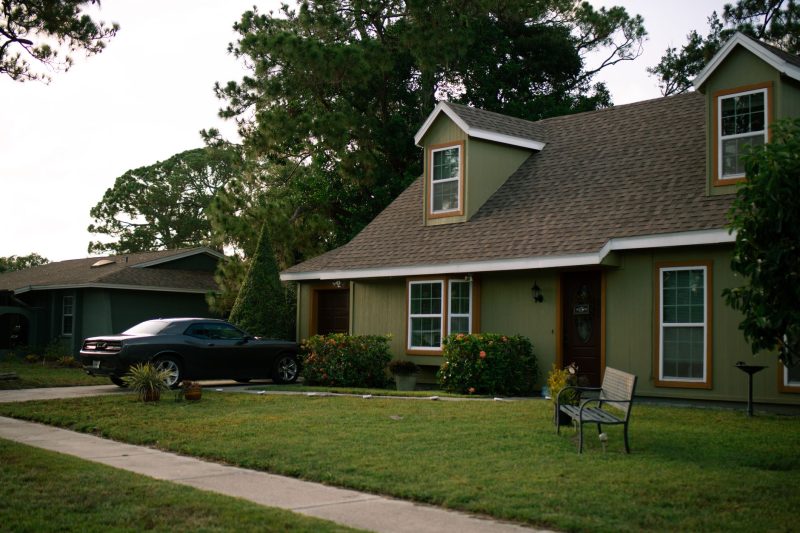
Choosing between an FHA loan and a conventional loan can be difficult when both options come with different down payment, credit, and mortgage insurance requirements.
FHA loans are government-insured mortgages with flexible qualification guidelines, while conventional loans are not government-insured and may offer more flexibility for borrowers with stronger credit and larger down payments.
In this guide, we’ll compare how each loan works, where the costs differ, and what to consider before choosing an option for your next home.
Key Takeaways
- Down Payment: FHA loans generally require at least 3.5% down, while certain conventional programs allow eligible borrowers to put as little as 3% down.
- Credit: FHA guidelines are often more flexible, but conventional financing may be more competitive for borrowers with stronger credit profiles.
- Mortgage Insurance: FHA mortgage insurance and conventional private mortgage insurance follow different rules and cancellation timelines.
- Property Standards: FHA appraisals include additional property condition requirements that may affect some transactions.
- Often Suited To: The right option depends on your credit, down payment, monthly payment goals, property, and expected time in the home.
Quick Answers
- Which loan has the lower down payment? Eligible conventional borrowers may qualify with 3% down, while the established FHA minimum is generally 3.5%.
- Is FHA only for borrowers with lower credit? No. FHA financing is available to borrowers across a range of credit profiles, although its flexible guidelines can be helpful when conventional financing is less favorable.
- Can mortgage insurance be removed? Conventional private mortgage insurance may be removed after certain equity and payment requirements are met. FHA mortgage insurance often remains longer and may require refinancing to eliminate, depending on the original loan terms.
- Do sellers prefer conventional financing? Some sellers may view conventional offers differently, but the strength of an offer also depends on the pre-approval, terms, appraisal risk, and lender execution.
At Green Haven Capital Inc. (NMLS# 173062), we help buyers compare these programs based on the full loan structure—not just the minimum down payment. That includes the interest rate, mortgage insurance, cash needed at closing, qualification guidelines, and how long the buyer expects to keep the property.
What Is the Main Difference Between FHA and Conventional Loans?
An FHA loan is insured by the Federal Housing Administration, while a conventional loan is funded without government insurance and follows lender and investor guidelines.
Because FHA loans are government-insured, lenders can often approve scenarios with more flexible credit or debt-to-income guidelines. That doesn’t mean every borrower or property will qualify. Income, assets, credit history, occupancy, and property condition still need to meet current program requirements.
Conventional loans commonly follow guidelines established by Fannie Mae or Freddie Mac. They can work well for first-time buyers, move-up buyers, and borrowers purchasing a primary residence, second home, or investment property. FHA financing is generally limited to a borrower’s primary residence.
Here’s what actually matters: the easier program to qualify for isn’t always the more cost-effective option over time. The full comparison needs to include both the upfront costs and the monthly payment.
FHA vs. Conventional Loan Comparison
| Feature | FHA Loan | Conventional Loan |
|---|---|---|
| Minimum Down Payment | Generally 3.5% | As little as 3% for certain eligible borrowers and programs |
| Credit Guidelines | Often more flexible | Pricing and approval can be more sensitive to credit |
| Mortgage Insurance | Upfront and annual FHA mortgage insurance generally apply | Private mortgage insurance generally applies with a smaller down payment |
| Occupancy | Primary residence | Primary residence, second home, or investment property, subject to guidelines |
| Property Review | Additional health, safety, and condition standards apply | Condition requirements still apply but may be less extensive |
| Loan Limits | FHA limits vary by county | Conforming limits vary by county; jumbo options may apply above those limits |
Program guidelines, loan limits, rates, and mortgage insurance costs can change. Current information should always be verified based on the property location and the borrower’s specific scenario.
When an FHA Loan May Make Sense
An FHA home loan may make sense when a borrower has limited funds available for a down payment, a more complicated credit history, or a debt-to-income ratio that doesn’t fit conventional guidelines.
FHA financing can also be useful when the conventional interest rate or mortgage insurance pricing is less favorable because of credit. Most people don’t realize this: a borrower can qualify for both programs and still have a meaningful difference in monthly payment and total cash needed at closing.
Potential FHA advantages include:
- More flexible credit guidelines in many scenarios
- A 3.5% minimum down payment for qualifying borrowers
- Gift funds that may be used when program requirements are met
- Potentially more flexibility with certain debt-to-income scenarios
- Options for purchasing qualifying two- to four-unit primary residences
The tradeoff is FHA mortgage insurance. FHA loans generally include an upfront mortgage insurance premium and an annual premium paid through the monthly mortgage payment. Depending on the down payment and original loan terms, that insurance may remain for an extended period or for the life of the loan.
When a Conventional Loan May Make Sense
A conventional loan may be a stronger option when the borrower has good credit, wants more flexibility with property type, or expects to build enough equity to remove private mortgage insurance later.
Conventional financing may also provide more options for move-up buyers in the Roseville real estate or Folsom housing markets, where loan amount and down payment strategy can have a significant effect on pricing. For buyers considering investment properties in Sacramento, conventional financing is generally more relevant because FHA loans require owner occupancy.
Potential conventional advantages include:
- Low-down-payment options for eligible borrowers
- No upfront government mortgage insurance premium
- Private mortgage insurance that may be removable under current guidelines
- Financing for primary residences, second homes, and investment properties
- More flexibility with certain property types and appraisal conditions
Conventional loan pricing is often more sensitive to credit score, down payment, occupancy, and property type. A smaller down payment may also result in higher private mortgage insurance costs. That’s why the same conventional program can look very different from one borrower to another.
How Mortgage Insurance Changes the Comparison
Mortgage insurance protects the lender against certain losses when a borrower makes a smaller down payment; it does not replace homeowners insurance or protect the borrower from missed payments.
With FHA financing, mortgage insurance is set by the program and generally applies regardless of credit score. With conventional financing, private mortgage insurance pricing typically depends on factors such as credit, down payment, loan term, and property type.
A borrower with stronger credit may find that conventional mortgage insurance is relatively competitive. Another borrower may receive a lower monthly payment through FHA even with its mortgage insurance structure.
The strategy behind the loan matters just as much as the rate. If you expect to keep the home for a long time, the ability to remove conventional mortgage insurance may carry more weight. If you expect your income, equity, or credit profile to change, it may also make sense to evaluate whether refinancing could be an option later, without assuming future rates or qualification.
Property Condition and Appraisal Requirements
Both loan types require an appraisal, but the review is not exactly the same.
An FHA appraisal addresses value and certain minimum property standards. Conditions involving safety, security, or structural soundness may need to be corrected before closing. Conventional appraisals also consider property condition, but the repair requirements may differ based on the issue and the loan program.
This can matter in competitive areas such as the Sacramento County real estate market, Elk Grove, Davis, and Placer County. If a property has deferred maintenance, we want to review the financing strategy before the offer is written—not after the appraisal identifies an issue.
In Sacramento, the well-priced homes don’t sit long. A complete pre-approval and a clear understanding of the appraisal requirements can help buyers and their real estate agents structure the offer with fewer surprises.
How to Choose Between FHA and Conventional Financing
There’s usually more than one way to approach this. Rather than selecting a loan based on one feature, we compare the full scenario.
1. Review Your Credit Profile
Credit affects conventional interest rates and private mortgage insurance pricing. FHA rates may be less sensitive to credit in some cases, but the full payment still needs to be compared.
2. Compare Total Cash Needed
The down payment is only one part of the funds required. Closing costs, prepaid property taxes, homeowners insurance, escrow deposits, and any available seller or lender credits also affect the total.
Closing costs in California vary by property, lender, title and escrow provider, loan amount, and transaction structure. We review estimated cash to close for both options rather than assuming the program with the smaller minimum down payment requires less money overall.
3. Compare the Monthly Payment
The comparison should include principal, interest, property taxes, homeowners insurance, mortgage insurance, and any applicable homeowners association dues. Property taxes in Sacramento County and surrounding areas can also vary based on the property and local assessments.
4. Consider How Long You Plan to Own the Home
If you plan to keep the property for many years, mortgage insurance duration and long-term interest costs become more important. If you expect a shorter ownership period, upfront costs may carry more weight.
5. Review the Property Before Making the Final Decision
Occupancy, number of units, condominium approval, property condition, and loan amount can all change which program is available. The right comparison can’t be completed using income and credit alone.
Compare Both Options Before You Write an Offer
A useful pre-approval should do more than show a maximum loan amount. We want buyers to understand how the payment changes at different purchase prices, what funds will be needed, and whether FHA or conventional financing creates a stronger overall structure.
We’ll walk you through your options so you can make the right decision. For buyers reviewing Sacramento home loan options, that may include FHA, conventional, VA, jumbo, or a down payment assistance loan, depending on eligibility and the property.
If you’re planning a purchase in Sacramento, Elk Grove, Roseville, Rocklin, Folsom, Davis, Lodi, Stockton, or another Northern California market, call, text, or email us to review your scenario. We can compare the available structures, explain the qualification requirements, and help you understand the next steps for pre-approval planning.
Frequently Asked Questions
Can a current homeowner use an FHA loan?
Yes, FHA financing is not limited to first-time homebuyers. The new property generally must be the borrower’s primary residence, and borrowers who already have an FHA loan may need to meet additional eligibility requirements.
Can FHA and conventional loans be used for condominiums?
Yes, but the condominium project and individual unit must meet the applicable program requirements. FHA and conventional financing use different review processes, so project eligibility should be checked early in the transaction.
What happens if the loan amount is above the county limit?
The borrower may need a larger down payment or a different loan program, depending on the property and requested loan amount. FHA and conforming conventional loan limits vary by county, while jumbo guidelines apply to certain loans above conforming limits.
Can gift funds be used with FHA and conventional loans?
Gift funds may be permitted with both programs when the donor, documentation, transfer, and borrower contribution meet current guidelines. The rules can vary based on occupancy, loan program, and property type, so the source of funds should be reviewed before they are transferred.
Can a buyer switch from FHA to conventional after an offer is accepted?
A program change may be possible if the borrower, property, contract timeline, appraisal, and loan amount meet the new program’s requirements. The buyer should also review the change with the lender and real estate agent because it may affect costs, disclosures, appraisal requirements, and closing timing.

Kevin Oto
With over 20 years of experience, Kevin has established himself as one of Northern California’s most trusted mortgage advisors — helping homebuyers, homeowners, and real estate investors secure financing with clarity, confidence, and competitive pricing in any market.
Related Posts