
Figuring out the right mortgage for your Sacramento home purchase can be overwhelming, especially with…
Investment Property Financing: Key Considerations for Sacramento Real Estate Investors
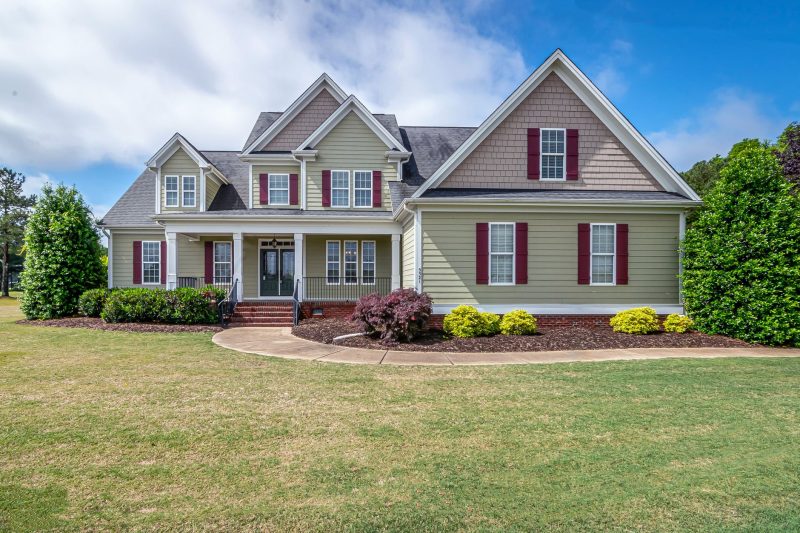
Buying investment property in Northern California can unlock new sources of income, but the details around financing aren’t always straightforward. Investment property financing refers to a range of mortgage options tailored specifically for buying, holding, or improving real estate that you do not plan to occupy as your primary residence. In this guide, we’ll break down how these loans work, what most investors don’t realize upfront, and the variables that actually matter in markets like Sacramento, Placer County, and beyond.
Key Takeaways
- Purpose: Investment property financing is designed for purchasing or refinancing real estate that generates rental income, not for primary residences.
- Requirements: Typically includes stronger credit, higher down payments, and the ability to document income or expected rental income.
- Loan Types: Common options are conventional, DSCR (Debt Service Coverage Ratio), non-QM, and portfolio loans.
- Best For: Real estate investors, buyers with experience, or those looking to start building a rental property portfolio.
Quick Answers: Investment Property Financing Basics
- How is investment property financing different from a primary home loan? Most programs require a higher down payment, stronger credit, and carry slightly higher interest rates.
- Can rental income help me qualify? Yes—expected rental income can often count toward your qualifying income, but lenders use conservative calculations.
- Are the rates for investment property loans higher? Typically, yes. Lenders view them as higher risk compared to owner-occupied homes.
- What types of properties can I finance? Single-family homes, duplexes, triplexes, fourplexes, and sometimes condos or multi-units qualify—vacation rentals and true commercial properties need special programs.
What Investors Need to Know Before They Finance
When it comes to real estate investing in Sacramento and nearby areas, most people don’t realize this: the strategy behind the loan matters just as much as the rate. The team at Green Haven Capital Inc. (NMLS# 173062) specializes in not just finding a path to approval, but structuring loans based on your investment goals, whether that’s holding long-term, doing a cash-out refinance, or scaling up your portfolio with multiple properties over time.
Lenders approach investment property borrowing differently than your primary residence. They’re focused on the risk: vacancy rates, property condition, how much you’re putting down, and whether the local market—including places like Roseville, Elk Grove, or Stockton—is stable. The right setup upfront can save you a lot long-term, especially when you’re thinking beyond one property.
Types of Loans for Investment Properties
There’s usually more than one way to approach this, and the details are where things get interesting:
- Conventional Loans: The most common option, typically for 1-4 unit properties. These require a higher down payment than on a primary home, but offer predictable terms and relatively straightforward guidelines. Conventional loans are a top choice for both new and experienced investors in Sacramento County and surrounding areas.
- DSCR (Debt Service Coverage Ratio) Loans: Focused on the property’s cash flow rather than your personal income. Great for investors who want to use the rental income itself to qualify or those with complex finances.
- Non-QM & Bank Statement Loans: For self-employed buyers or those with more unique scenarios, these can look at alternative documentation—such as bank statements or asset depletion.
- Portfolio Loans: Some lenders will finance multiple properties under a single loan, which can help when you’re expanding your investment strategy.
- HELOCs/Home Equity Loans: Useful if you already own property and want to leverage your equity for down payments or renovations on new purchases.
At a Glance: Comparing Investment Property Loan Types
| Loan Type | Down Payment | Qualifying Income | Property Limits |
|---|---|---|---|
| Conventional | Higher (check current guidelines) | Documented W-2/self-employed | 1-4 units |
| DSCR | Varies | Rental income focus | 1-4+ units, varies |
| Non-QM/Bank Statement | Typically higher | Alternative documentation | Flexible |
| HELOC/Equity | Subject to existing equity | Varies | Depends on property type |
Top Factors to Weigh with Investment Property Loans
Let’s take a step back and look at the full picture. Here’s what actually matters when you’re structuring your loan on an investment property, especially in a diverse market like Sacramento:
- Down Payment: Investment properties usually require a higher down payment than your primary or vacation home. Guidelines change, but plan for a larger upfront commitment.
- Credit Score: Strong credit often unlocks the best loan options, but there are programs that allow for lower scores—usually at a higher cost.
- Debt-to-Income (DTI) vs. Debt Service Coverage (DSCR): Some loans use your personal DTI, while others look at how much income the property generates compared to expenses (DSCR). Each approach fits different situations.
- Property Condition: Properties in need of major repairs may fall outside standard guidelines. These often need rehab or “fix-and-flip” style financing, which is a different strategy entirely.
- Rental Income Documentation: You’ll usually need to provide leases, market rent surveys, or appraisals that support the projected income.
Common Mistakes Investors Make (and How to Avoid Them)
A lot of buyers overlook this: focusing only on the advertised interest rate and not on how the entire structure, including cash reserves, closing costs, seasoning, or LLC ownership, impacts their plan. It’s not just about the rate—it’s how everything is structured. For example, purchasing in an LLC vs. your personal name changes the loan options on the table. The strategy up front really matters, especially if you’re aiming to scale beyond one or two homes.
Speed and execution matter in this market. In Sacramento, the well-priced homes don’t sit long, so having your financing lined up at the offer stage can make a real difference both in negotiations and actually getting into contract. Rental income projections and appraisal timing can cause unexpected delays if not handled properly from the start.
Structuring Your Investment Loan to Match Your Goals
There’s usually a couple different ways to approach this, and a lot of buyers miss this part: matching the loan structure to your bigger plan. Are you planning to buy, hold, and renovate? Acquire multiple units over the next few years? Refinance later to pull cash out? These answers help us dial in the loan to support your growth, not just get you approved on one property. We structure loans based on your goals, not just the transaction.
- Short-term hold vs. long-term buy-and-hold: The payback period, likelihood of refinancing, and cash flow projections change what loan type might actually fit best.
- Cash-Out Options: After you’ve built equity, certain loan programs allow you to tap into it—this is a common way investors scale up in places like Rocklin or Folsom.
- Flexibility for Multiple Properties: Some investors hit caps on the number of financed properties, so a portfolio approach or alternative lenders may open new doors.
Key Steps to Get Started
- Review Your Personal Finances: Know your credit, assets, and any existing mortgages—these shape your initial options.
- Define Your Investment Plan: Is your goal cash flow, appreciation, or rapid scaling?
- Talk to a Lender Early: This is where working with the right lender makes a difference. We’ll walk through your options so you can see what actually makes sense with your timeline and goals, not just what’s available on paper.
- Be Ready to Document Income: Especially rental or projected rental income if you’re planning to use it for qualification.
- Align Structure with Tax/Legal Strategy: If you’re using an LLC, trust, or partnership, get buy-in from your tax and legal advisors up front so you’re not scrambling at closing.
Why Local Market Knowledge Matters
The Sacramento and Northern California markets move quickly, and the details can shift by county—what works for investment property financing in Davis might not fit as well in Lodi or Stockton. Seasoned investors already know: lender overlays, appraisal timing, rent surveys, and even HOA requirements can change the game. This is where having the right lender really helps—one who knows the local rules, common pitfalls, and can advocate for you with underwriters when unique situations pop up.
Next Steps: Start with a Strategic Consultation
If you’re planning to buy your first (or next) investment property in Sacramento, Placer, El Dorado County, or the broader region, let’s map out a clear plan before you make offers. We’ll walk you through your options so you can make the right decision, go over how different loan types stack up for your scenario, and get you pre-approved with the right documentation and structure. Call, text, or email and we’ll set up a straightforward review of your goals and next steps—especially if you want to compare pre-approval strategies, qualification steps, or build a plan for long-term investing.
Frequently Asked Questions
What kind of credit score do I need for an investment property loan?
Most lenders require stronger credit for investment property loans than for a primary residence. While some programs allow for lower scores, a higher score typically gives you more options and potentially better terms. Requirements can change, so check current guidelines for your scenario.
Can I use projected rental income to qualify for the loan?
Yes, most lenders will consider a market rent analysis or signed lease to include future rental income in qualifying. They generally use a conservative calculation, so be prepared with thorough documentation. This can improve your qualifying ratios if the property is expected to cash flow well.
How many investment properties can I finance at once?
Conventional loan programs usually cap the number of financed properties per borrower, often up to a certain limit, but portfolio and non-QM lenders may allow more. Your current debt, credit, and payment history all play a role. Each scenario is unique, so it's important to discuss your property plans up front.
What’s the difference between a DSCR loan and a conventional loan?
A DSCR (Debt Service Coverage Ratio) loan qualifies primarily based on the ratio of rental income to expenses for the property itself, rather than your personal income. Conventional loans focus more on your individual credit and personal debt-to-income ratios. The right fit depends on your total financial profile and investment goals.
Can I buy investment property in an LLC?
Some loan programs allow for the property to be purchased or titled in an LLC, but this limits the number of financing options and may result in higher rates or different underwriting. It's essential to clarify your goals with both your lender and your legal/tax advisors early in the process.

About the Author
Kevin Oto
Mortgage Broker/ President at Green Haven Capital Inc. · NMLS #62641
With over 20 years of experience, Kevin has established himself as one of Northern California’s most trusted mortgage advisors — helping homebuyers, homeowners, and real estate investors secure financing with clarity, confidence, and competitive pricing in any market.
Specializes in: Conventional loans, Purchase loans, Investment property financing
Licensed in: CA, CO, MD, OR, TN, TX, UT
Related Posts