
Buying a home when you’ve served in the military should feel like an advantage—not another…
VA Loan Benefits: Unlocking Homeownership Opportunities for Veterans
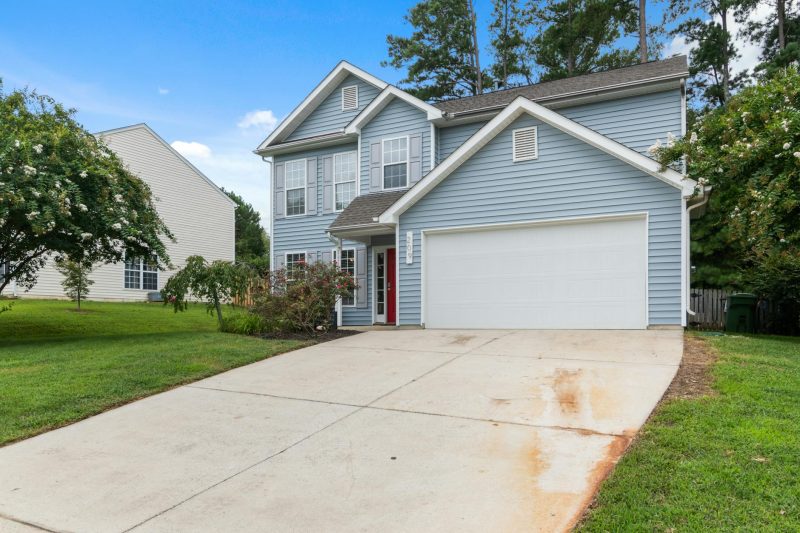
Buying a home after serving in the military can feel like a challenge—especially when it comes to structuring the loan, down payment, or qualifying in today’s market. VA loans are government-backed mortgages designed specifically for eligible veterans, active-duty service members, and certain surviving spouses, offering no down payment and flexible guidelines. In this article, we’ll take a look at how VA loans actually work, which benefits matter most, and what to keep in mind if you’re using your VA entitlement in Sacramento or throughout Northern California.
Key Takeaways
- Purpose: VA loans make it possible for eligible veterans and service members to buy or refinance a home with unique financial advantages.
- Eligibility: Typically available to veterans, active-duty, National Guard, and some surviving spouses who meet VA service requirements.
- Down Payment: Most VA loans require no down payment, though some circumstances may require a small amount.
- Best For: Veterans, active military, and eligible surviving spouses looking for lower upfront costs and competitive long-term benefits.
- Timeline: VA loan approval generally follows a similar timeline to conventional financing—plan for a few weeks, but speed always depends on documentation and appraisal.
Quick Answers: Common VA Loan Questions
- Do VA loans really require zero down? Yes, most eligible borrowers can purchase with no down payment.
- Is mortgage insurance required on a VA loan? No, VA loans do not have monthly mortgage insurance, though there is a one-time VA funding fee (with some exceptions).
- Can you reuse your VA loan benefit? In many scenarios, yes—entitlement can often be restored or partially reused, depending on how it’s been applied in the past.
- What types of property can I buy? VA loans cover primary residences (not second homes or investment properties)—this includes single-family, townhome, condo, and some multifamily units if you’ll occupy one.
What Makes VA Loans Different?
At Green Haven Capital Inc. (NMLS# 173062), we see a lot of buyers underestimate just how flexible VA loans can be—especially compared to other low-down-payment options. VA loans are backed by the U.S. Department of Veterans Affairs, which means qualified buyers can often purchase a home with zero down, no monthly mortgage insurance, and competitive rates.
VA loans also allow for more flexibility with credit scores, debt-to-income ratios, and even sources of closing funds. This is where having the right lender really helps: structuring your purchase to avoid unnecessary costs or delays takes both experience and an understanding of how VA guidelines actually work.
Who Qualifies for a VA Loan?
Eligibility for a VA loan is generally based on your military service history or that of your spouse. Most people don’t realize this: VA loans aren’t limited to just veterans—active-duty service members, select National Guard and Reserve members, and certain surviving spouses are eligible, too.
Here’s what I’d focus on:
- Certificate of Eligibility (COE): You’ll need this document from the VA to confirm your entitlement and benefit level.
- Occupancy: The property must be intended as your primary residence—not a vacation home or pure rental.
- Credit/Income: While VA loans are more flexible than most programs, you’ll still need to show stable income and generally satisfactory credit.
A lot of buyers overlook this part: eligibility can be surprisingly nuanced, and certain service periods or discharge statuses may require additional documentation.
Core Benefits of VA Financing
There’s usually more than one way to approach this, but here’s what actually matters from a financial standpoint:
- No down payment required in most cases—freeing up funds for moving expenses or future repairs.
- No monthly mortgage insurance. Instead, VA loans require a one-time funding fee, which many buyers can finance into the loan.
- Flexible qualifying. Guidelines for credit, debt-to-income, and even prior short sales or foreclosures are often more accommodating than with conventional loans.
- Limits on closing costs. The VA restricts some closing fees lenders or sellers can charge, helping keep out-of-pocket expenses down.
- Competitive rates. Rates on VA loans are generally in line with or better than comparable conventional options.
It’s not just about the rate—it’s how everything is structured. For folks buying in Sacramento, Roseville, Elk Grove, or anywhere in the region, the right setup upfront can save you a lot long-term.
Step-by-Step: How the VA Loan Process Works
Let’s take a step back and look at the full picture. If you’re thinking about using your VA benefit, here’s what to expect:
- Check eligibility: Get your Certificate of Eligibility from the VA.
- Review goals and pre-approval. We’ll walk you through your options so you can make the right decision on price range, payment comfort, and structure.
- Find a home and make an offer. Work with a real estate agent familiar with VA requirements and local market dynamics—especially in fast-moving areas like Sacramento County, Folsom, or Elk Grove where speed and execution matter.
- Complete the appraisal and inspections: The VA appraisal includes a review for minimum property standards—this protects buyers, but it’s important to anticipate completion of any required repairs.
- Finalize loan underwriting: Lender processes final documents, re-verifies employment and credit, then prepares for closing.
- Close and move in: Once closing is complete, get your keys and settle into your new home.
VA vs. Conventional vs. FHA: Structural Differences
A lot of buyers miss this part: choosing the right loan program is about more than just the advertised rate. Here’s a quick table summarizing the biggest structural differences:
| Feature | VA Loan | Conventional | FHA |
|---|---|---|---|
| Down Payment | 0% for most buyers | Usually 3% minimum | 3.5% minimum |
| Monthly Mortgage Insurance | None | Required if <20% down | Required on all FHA loans |
| Upfront Fee | One-time VA funding fee (may be waived for some) | No built-in upfront fee | Upfront FHA MIP |
| Minimum Credit Score | Flexible (varies by lender, low-to-mid 600s common) | Often mid-600s or higher | Often mid-500s or higher |
| Eligible Properties | Owner-occupied primary only | Primary, second home, investment | Owner-occupied primary only |
The strategy behind the loan matters just as much as the rate. If you qualify for a VA loan, you’re almost always better off leveraging your entitlement rather than paying for mortgage insurance or tying up extra cash with a larger down payment.
Common Misconceptions and What to Watch For
What most people don’t realize is some sellers or agents may have outdated assumptions about VA offers being weaker or slower—especially in competitive markets like Sacramento County or Roseville. In reality, speed and execution matter in this market, and a properly structured VA pre-approval is every bit as competitive as conventional financing.
Also, the VA appraisal process sometimes gets a bad reputation for being overly strict, but the intent is to protect buyers from serious property issues—not to create unnecessary hurdles. We’ll walk through the options so you can see what actually makes sense for your goals and negotiating power.
Planning Ahead With Your VA Benefit
Whether you’re a first-time buyer, thinking about moving up, or considering buy and hold investment down the road, the right setup upfront can save you a lot over the long term—especially if you anticipate changes in your housing situation. For example, reusing your entitlement, purchasing a multi-unit property (up to four units if you’ll live in one), or even combining your benefit with other strategies.
In short, there’s usually a couple different ways to approach this. We structure loans based on your goals, not just the transaction, so you end up with a plan that makes sense beyond just the immediate purchase.
Next Steps: How to Get Started
If you’re in Sacramento or the surrounding counties and want to review your VA loan options, connect with us at any point—call, text, or email. We’ll review your eligibility, compare loan scenarios, and help you understand each step of the pre-approval process so you can make confident decisions, whether you’re shopping for homes now or planning a move later this year.
Frequently Asked Questions
Can I use a VA loan more than once?
Yes, you can often use your VA loan benefit multiple times, either by restoring entitlement after selling a home or, in some cases, holding two VA loans if entitlement is available. Guidelines can be nuanced, so review your eligibility with a lender familiar with VA loans.
Are there income limits for VA loan applicants?
No, the VA program does not have formal income limits. However, borrowers must show stable and sufficient income to qualify for the monthly payment and meet residual income requirements based on region and family size.
Do all lenders offer VA loans?
Not all lenders are approved or experienced in originating VA loans. It’s important to work with a lender knowledgeable in VA guidelines to avoid unnecessary delays or confusion during the process.
Can I buy a fixer-upper with a VA loan?
You can buy a home needing minor repairs with a VA loan, as long as the property meets minimum property requirements and is safe, sound, and sanitary. Major rehab or unlivable properties often do not qualify under the standard VA purchase program.
What closing costs should I expect with a VA loan?
VA loans have standard closing costs similar to other loans, but the VA limits certain fees lenders and sellers can charge. Buyers are responsible for costs like appraisal, title, and origination, but some fees may be negotiated or paid by the seller as part of the contract.

About the Author
Kevin Oto
Mortgage Broker/ President at Green Haven Capital Inc. · NMLS #62641
With over 20 years of experience, Kevin has established himself as one of Northern California’s most trusted mortgage advisors — helping homebuyers, homeowners, and real estate investors secure financing with clarity, confidence, and competitive pricing in any market.
Specializes in: Conventional loans, Purchase loans, Investment property financing
Licensed in: CA, CO, MD, OR, TN, TX, UT
Related Posts